


The challenge
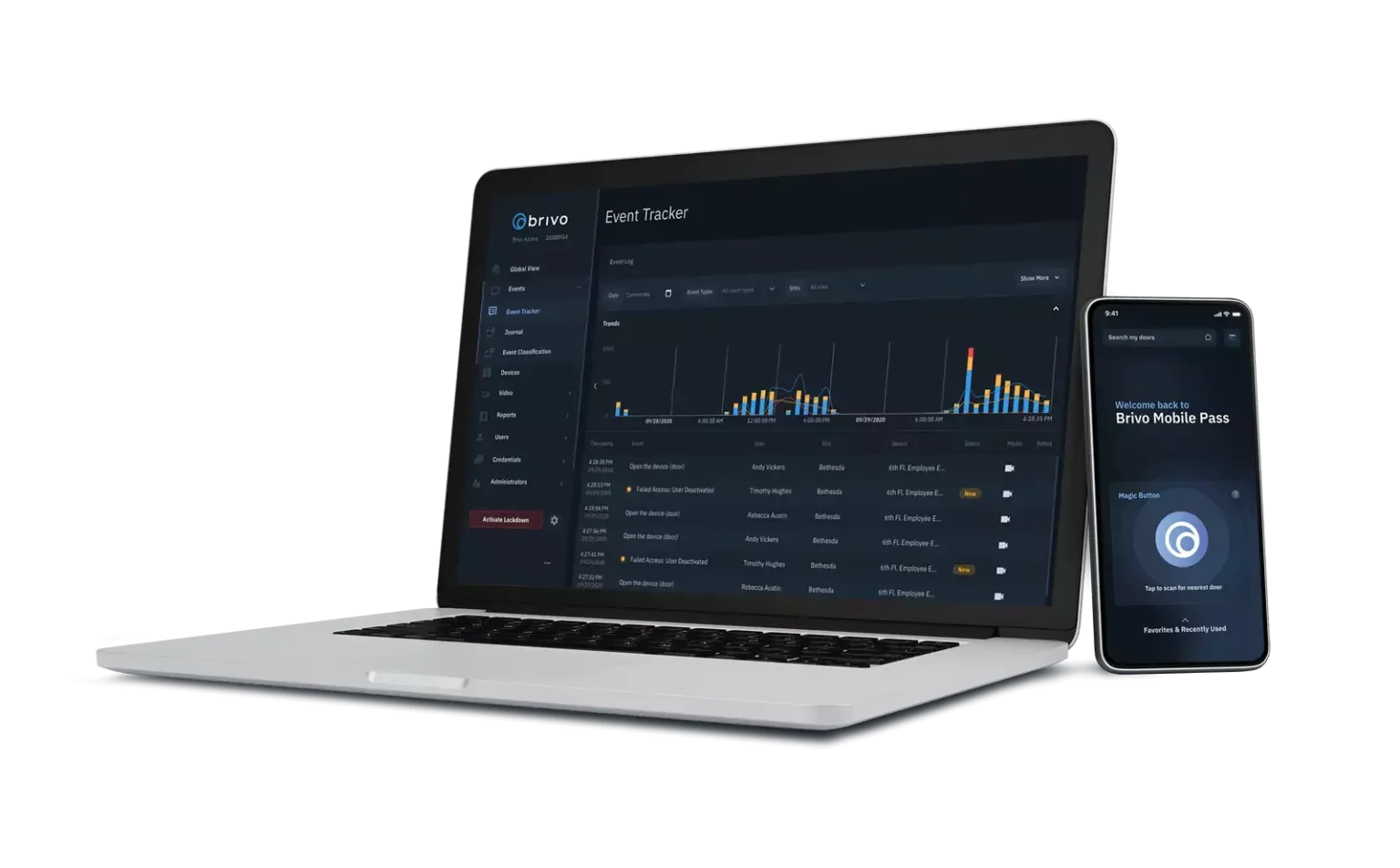
Brivo's engineering team was moving fast but needed help in three specific areas: mobile development velocity, automated testing infrastructure, and a new greenfield product called "Access" – a multi-platform building access interface that had to work across mobile, web, and embedded hardware.
Their CTO needed engineers who could operate as partners, not contractors. The work required depth across the stack, the ability to own entire subsystems, and the discipline to ship reliably without heavy oversight.
How we approached it
VSP assembled a team from Timișoara, Romania – engineers chosen specifically for the technical breadth Brivo needed. The first mandate was to rewrite, streamline, and launch a minimum viable product. We hit that in two weeks.
From there, the scope expanded organically. VSP engineers became embedded across backend and API services, embedded hardware, Smart Home integration, DevOps and cloud infrastructure, and UX. Each expansion was earned – Brivo's team grew to rely on VSP not just for execution but for architectural judgment.
The key was treating this as a partnership from day one. We stayed in sync with Brivo's internal teams, maintained shared context, and made sure knowledge never siloed on one side of the relationship.

What got built
The Brivo Access platform now handles a million mobile credentials, runs in over 40 countries, and serves 1,500+ authorized dealers. An ecosystem of 800 developers builds on the Brivo API. The automated testing infrastructure we built supports 72,000 deployments and climbing.
More than the numbers: Brivo's engineering organization got faster. The work that would have blocked internal teams – embedded hardware complexity, cloud infrastructure scaling, mobile platform parity – got absorbed by VSP engineers who treated it as their own problem to solve.